Adapting Custom Hoppers for Different Materials and Applications
Understanding Custom Process Hoppers
What are Custom Process Hoppers?
Custom process hoppers serve as essential components in various industries, designed to manage and transport bulk materials efficiently. These specialized hoppers collect, store, and dispense materials like concrete, scrap, recyclables, and more. By tailoring the design of these hoppers to specific operational needs, companies can significantly enhance productivity and workflow. Their versatility allows customization in terms of size, shape, and material, ensuring they meet the unique demands of different applications. The ability to adapt hoppers for various materials establishes their importance across manufacturing, recycling, and warehousing sectors.
Importance of Customization in Hoppers
Customization plays a pivotal role in maximizing the efficiency of custom process hoppers. Each material possesses distinct characteristics, such as weight, flowability, and moisture content, which influence hopper design. For instance, hoppers intended for concrete may require robust construction and specific dimensions to handle the weight and prevent blockages. In contrast, hoppers for recyclables might need features that accommodate lighter, more variable materials. Customizing these hoppers not only improves handling but also enhances safety by integrating guardrails and safety features that protect operators and streamline operations. Tailored designs lead to better material flow, reduced downtime, and optimized processes.
Common Materials Used in Custom Hoppers
Material selection stands as a critical factor in the design of custom process hoppers. Stainless steel and sheet metal are among the most commonly used materials, each offering unique advantages. Stainless steel, renowned for its durability and corrosion resistance, is ideal for environments where hygiene and longevity are a priority, such as food production or chemical processing. Sheet metal, while less durable, provides a cost-effective solution for applications where weight isn't as critical. Additionally, the choice of material affects the hopper's ability to withstand various environmental conditions, ensuring reliable performance over time. Fabrication techniques also vary based on the selected material, impacting the overall design and functionality of the hopper.
Design Considerations for Custom Hoppers
Dimensions and Capacity Requirements
Determining the appropriate dimensions and capacity for custom process hoppers requires a thorough understanding of the specific operational needs. Hoppers must accommodate the volume of materials being processed while allowing for efficient loading and unloading. Companies should assess factors such as the flow rate, material characteristics, and the overall layout of their production line. Incorrect dimensions can lead to bottlenecks, increased labor costs, and inefficient use of space. For instance, a hopper designed for large quantities of concrete must feature a larger cone and wider opening than one meant for lighter recyclables. Ensuring the hopper's dimensions align with the operational workflow enhances overall productivity and minimizes downtime.
Material Selection: Stainless Steel vs. Sheet Metal
The choice between stainless steel and sheet metal for custom hoppers hinges on the application and desired longevity. Stainless steel hoppers excel in terms of durability and resistance to rust, making them the go-to option for industries requiring stringent hygiene standards, such as pharmaceuticals and food production. However, they come with a higher initial cost. On the other hand, sheet metal hoppers offer an economical solution, suitable for less demanding environments where cost-effectiveness is paramount. Fabrication processes differ between these materials, impacting the design's robustness and the hopper's ability to handle varying bulk materials. Understanding the properties and applications of these materials ensures companies make informed decisions that align with their operational goals.
Incorporating Guardrails and Safety Features
Integrating guardrails and safety features into the design of custom process hoppers enhances operator safety and reduces the risk of accidents in busy work environments. Guardrails provide critical protection at elevated heights, preventing falls and ensuring secure access to hoppers during maintenance and cleaning. Additional safety features, such as gates and emergency shut-off mechanisms, allow operators to control material flow and respond effectively to unexpected situations. Implementing these safety measures not only complies with regulatory standards but also fosters a culture of safety within the workplace. A well-designed hopper that prioritizes safety contributes to a more efficient and secure operational environment.
Applications of Custom Hoppers in Various Industries
Hoppers in Manufacturing: Enhancing Productivity
In the manufacturing sector, custom process hoppers significantly enhance productivity by streamlining the handling and transportation of bulk materials. Hoppers facilitate the efficient movement of materials from one stage of production to another, reducing the time and labor required for manual handling. For instance, when integrated with conveyor systems, hoppers ensure a continuous flow of materials, minimizing downtime and maximizing output. By adapting hoppers for specific materials, such as concrete or scrap, manufacturers can optimize their processes, resulting in improved efficiency and lower operational costs. The ability to customize these hoppers for varying capacities and dimensions further supports the unique needs of diverse manufacturing environments.
Utilizing Hoppers in Recycling Operations
Recycling operations rely heavily on custom process hoppers to manage the diverse materials collected from various sources. Hoppers designed for recyclables must accommodate a range of materials, including plastics, metals, and paper, each with unique handling requirements. Custom hoppers facilitate the sorting and processing of these materials, ensuring smooth transitions through conveyor systems and other processing equipment. By optimizing hopper design for recyclables, companies can enhance their recycling efforts, reduce waste, and contribute to a more sustainable future. The adaptability of custom hoppers enables recycling facilities to efficiently manage fluctuating material volumes and types, further supporting their operational goals.
Integration with Conveyor Systems and Warehousing Solutions
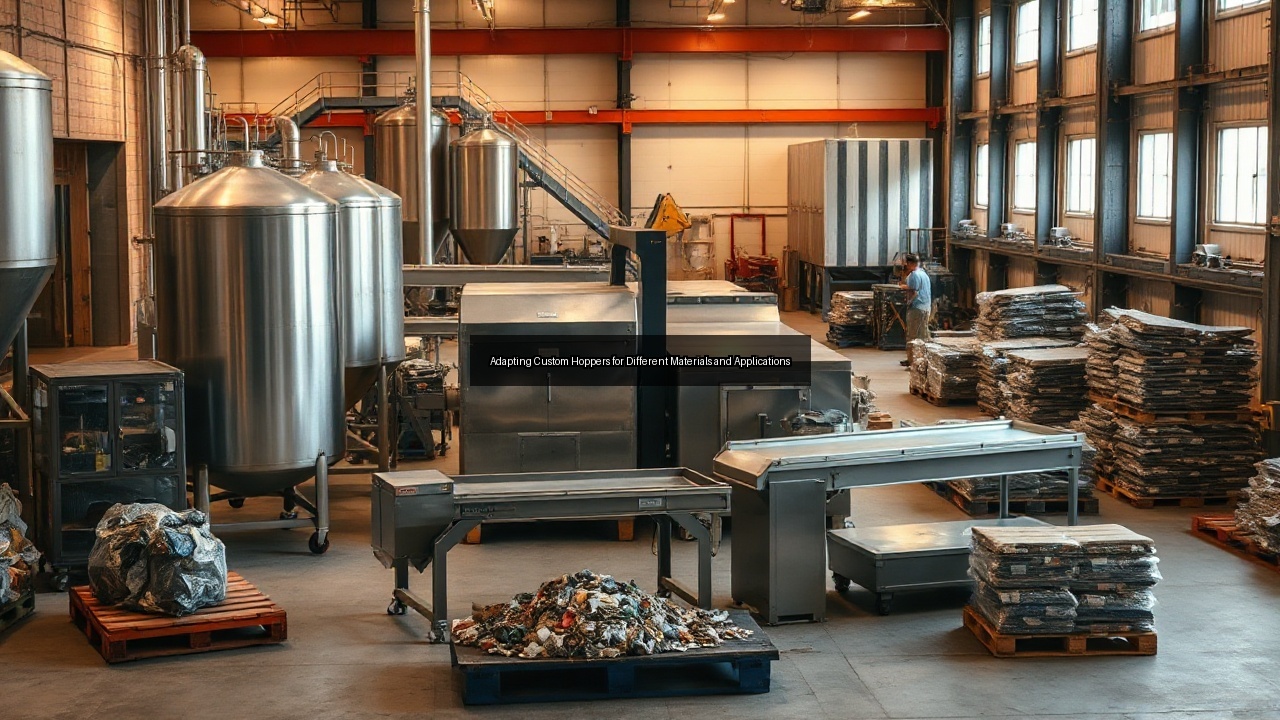
Custom hoppers play a crucial role in integrating with conveyor systems and warehousing solutions, creating a seamless workflow in material handling processes. When paired with conveyor systems, hoppers allow for the automated transport of bulk materials, minimizing manual labor and increasing efficiency. This integration is particularly beneficial in warehousing, where custom hoppers can feed materials directly into storage systems or loading docks. The combination of hoppers and pallets provides a structured approach to material handling, maximizing space utilization and streamlining operations. Companies that invest in tailored hopper designs can significantly improve their warehousing capabilities, ultimately enhancing overall supply chain efficiency.
Optimizing Custom Hoppers for Different Bulk Materials
Adapting Hoppers for Concrete and Scrap Materials
Customizing hoppers for concrete and scrap materials requires careful consideration of the unique properties of each substance. Concrete, being dense and heavy, demands hoppers with robust construction and specific dimensions to prevent blockages and ensure smooth flow. The design often incorporates a steep cone, allowing gravity to assist in dispensing the material effectively. Conversely, scrap materials can vary significantly in size, shape, and weight, necessitating hoppers that can accommodate these variations. Features like adjustable gates and casters provide flexibility in handling different types of scrap, allowing for easy mobility and efficient operation. Tailoring hoppers for these materials enhances handling capabilities and supports operational efficiency in industries dealing with heavy and variable bulk materials.
Designing Hoppers for Recyclables
Designing hoppers specifically for recyclables involves addressing the diverse characteristics of materials such as plastics, metals, and paper. These materials often have different flow rates and handling requirements, necessitating a customized approach. Hoppers for recyclables typically feature lightweight construction and adjustable dimensions to accommodate varying material types. Incorporating features such as perforated bottoms allows for easier sorting and separation of materials during processing. Additionally, integrating casters enhances mobility, making it easier to reposition hoppers as needed in recycling facilities. By focusing on the unique needs of recyclables, companies can improve their recycling processes and achieve greater efficiency in material handling.
The Role of Casters and Gates in Hopper Functionality
Casters and gates significantly enhance the functionality of custom process hoppers, contributing to efficient material handling. Casters enable easy movement of hoppers within a facility, allowing operators to reposition them as workflows change or to adapt to different operational needs. This mobility is particularly valuable in dynamic environments like warehouses and recycling operations. Gates, on the other hand, control the flow of materials, providing operators with the ability to dispense the right amount of bulk materials at the right time. Custom gates can be designed for various materials, ensuring smooth and controlled dispensing while minimizing waste. The integration of casters and gates into hopper designs leads to improved efficiency and adaptability in material handling processes.