Exploring the Versatility of Custom Rubber Shapes in Everyday Products
Understanding Custom Rubber Molding Techniques
Overview of Molding Processes
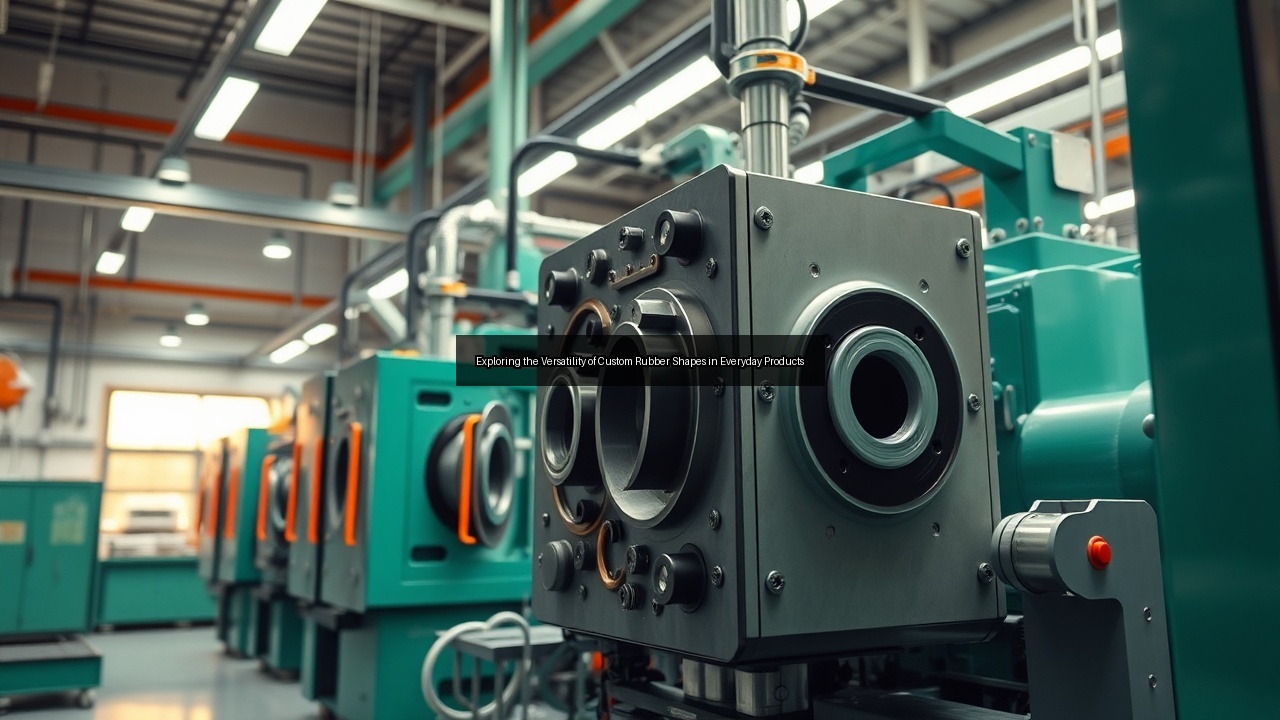
Custom rubber molding transforms raw rubber materials into specialized shapes, serving diverse applications across industries. This process involves several techniques, each tailored to meet specific needs. The primary methods include injection molding, compression molding, and transfer molding. Each of these techniques employs unique processes to achieve desired characteristics in the final product. Understanding these molding methods helps customers select the best option for their requirements. Factors such as production volume, complexity of the design, and material properties influence the choice of molding technique, ensuring that the final rubber shapes meet stringent quality standards.
Injection Molding vs. Compression Molding
Injection molding and compression molding stand as two prominent techniques in custom rubber molding, each with distinct advantages. Injection molding involves heating rubber until it becomes pliable and then injecting it into a mold under high pressure. This process allows for intricate designs and high-volume production, making it ideal for complex components custom molding like automotive gaskets and electronic housings. On the other hand, compression molding involves placing a pre-measured amount of rubber into a heated mold and then applying pressure. This method is cost-effective for lower volume production and simpler designs, making it suitable for applications like bumpers and seals. Understanding the differences between these methods aids manufacturers and customers in selecting the most efficient approach for their specific projects.
Transfer Molding: Benefits and Applications
Transfer molding combines elements of both injection and compression molding, offering unique benefits for custom rubber manufacturing. In this process, rubber is pre-loaded into a chamber and then forced into a heated mold through a sprue. This technique is particularly advantageous for producing complex shapes and parts that require precise tolerances. Industries such as automotive and aerospace frequently utilize transfer molding for applications like vibration dampeners and bushings, where durability and performance are critical. The ability to maintain consistent quality under varying temperature and pressure conditions enhances the reliability of products manufactured through transfer molding, making it a favored choice for high-performance components.
Applications of Custom Rubber Shapes in Everyday Products
Automotive Components: Bushings and Gaskets
Custom rubber shapes play a pivotal role in the automotive industry, particularly in the manufacturing of bushings and gaskets. Bushings, which serve as vibration dampeners, enhance vehicle performance by reducing noise and wear on components. These rubber parts absorb shocks and vibrations, contributing to a smoother ride and extending the lifespan of critical automotive systems. Gaskets, on the other hand, create seals that prevent leakage of fluids and gases in engines and transmissions. High-quality gaskets made from materials like EPDM and silicone ensure durability and resistance to temperature fluctuations. The reliability of these custom rubber shapes significantly influences vehicle safety and efficiency, making them indispensable in automotive design.
Consumer Goods: Bumpers and Grommets
In the realm of consumer goods, custom rubber shapes enhance product functionality and durability. Bumpers, commonly found in various devices, provide protection against impacts and help maintain structural integrity. These rubber components require precise design and engineering to absorb shocks effectively and reduce noise. Grommets serve as protective seals in electronic devices and appliances, preventing wear and tear on cables and wires. The versatility of materials like silicone and elastomers enables manufacturers to produce grommets that withstand extreme temperatures and environmental conditions. The integration of custom rubber shapes in consumer goods not only improves user experience but also extends the product's lifespan, underscoring the importance of effective design in everyday items.
Industrial Uses: Seals and Vibration Dampeners
Industries heavily rely on custom rubber shapes for seals and vibration dampeners, crucial for maintaining operational efficiency. Seals prevent the escape of gases and liquids in various applications, from hydraulic systems to food packaging. Custom rubber seals, designed with specific tolerances, ensure a leak-proof fit, enhancing product reliability. Vibration dampeners made from rubber absorb and mitigate vibrations in machinery and equipment, reducing wear and enhancing performance. These components contribute to the longevity of industrial machines, minimizing downtime and maintenance costs. The ability to customize rubber shapes to fit unique industrial specifications makes them essential in achieving optimal performance across various applications.
The Role of Design and Engineering in Custom Rubber Manufacturing
Importance of Tolerances and Specifications
Precision in design and engineering significantly influences the quality of custom rubber molding. Tolerances define the allowable limits of variation in dimensions, which directly impacts the performance and fit of the final product. In industries like automotive and aerospace, where safety and functionality depend on exact specifications, maintaining stringent tolerances is critical. Manufacturers utilize advanced technology and methodologies to ensure that each rubber shape meets the required specifications. Collaborating closely with customers during the design phase helps clarify these tolerances, enabling manufacturers to produce high-quality rubber components that fulfill the intended purpose without compromise.
Materials Used: EPDM, Silicone, and Elastomers
The choice of material plays a vital role in the performance and durability of custom rubber shapes. EPDM (ethylene propylene diene monomer) is renowned for its excellent weather resistance and heat tolerance, making it ideal for outdoor applications and automotive seals. Silicone offers remarkable flexibility and resistance to extreme temperatures, making it a preferred choice for gaskets and consumer goods. Various elastomers provide unique properties that cater to specific industrial needs. Understanding the characteristics of different materials allows manufacturers to select the most suitable option for each application, ensuring that the final product meets performance expectations and withstands environmental challenges.
The Impact of Temperature and Pressure on Quality
Temperature and pressure significantly affect the quality of custom rubber molding processes. Each molding technique operates under specific temperature and pressure conditions, which must be meticulously controlled to achieve optimal results. High temperatures can enhance the flow of rubber into molds, while precise pressure ensures that the material fills every contour of the mold accurately. Variations in these parameters can lead to inconsistencies in the final product, affecting its integrity and functionality. Manufacturers invest in advanced monitoring systems to track temperature and pressure throughout the molding process, ensuring that each custom rubber shape meets the highest quality standards.
Choosing the Right Manufacturer for Custom Rubber Molding
Selecting an Expert Manufacturer
Choosing the right manufacturer for custom rubber rubber custom molding molding can significantly impact the quality and reliability of the final products. Look for manufacturers with extensive experience in the industry and a proven track record of producing high-quality rubber components. An expert manufacturer should offer a comprehensive range of services, from design and prototyping to production and post-production support. Additionally, a commitment to customer collaboration ensures that specific requirements are met. Engaging with manufacturers who understand the complexities of custom rubber molding will lead to better outcomes and more efficient project timelines.
Understanding ISO Standards in Rubber Production
ISO standards play a crucial role in ensuring quality and consistency in rubber production. Reputable manufacturers adhere to ISO certifications, which signify that they meet internationally recognized quality management standards. These standards cover various aspects of production, including material sourcing, manufacturing processes, and quality control measures. By selecting a manufacturer that follows ISO standards, customers can trust in the reliability rubber custom molding and performance of the custom rubber shapes produced. This adherence to strict guidelines not only enhances product quality but also fosters customer confidence in the manufacturing process.
Inspection and Quality Control Processes
Thorough inspection and quality control processes are essential in custom rubber molding. Manufacturers implement rigorous testing protocols to assess the physical and chemical properties of the rubber shapes produced. Quality control measures include dimensional inspections, material testing, and performance evaluations. By employing both automated and manual inspection techniques, manufacturers can identify any defects early in the production process, reducing waste and ensuring that only high-quality products reach customers. A robust quality control framework not only guarantees the integrity of the products but also enhances the overall efficiency of the manufacturing process.