The Essential Guide to Choosing the Right Tools for Metal Fabrication
Understanding Metal Fabrication and Its Importance
Overview of Metal Fabrication Processes
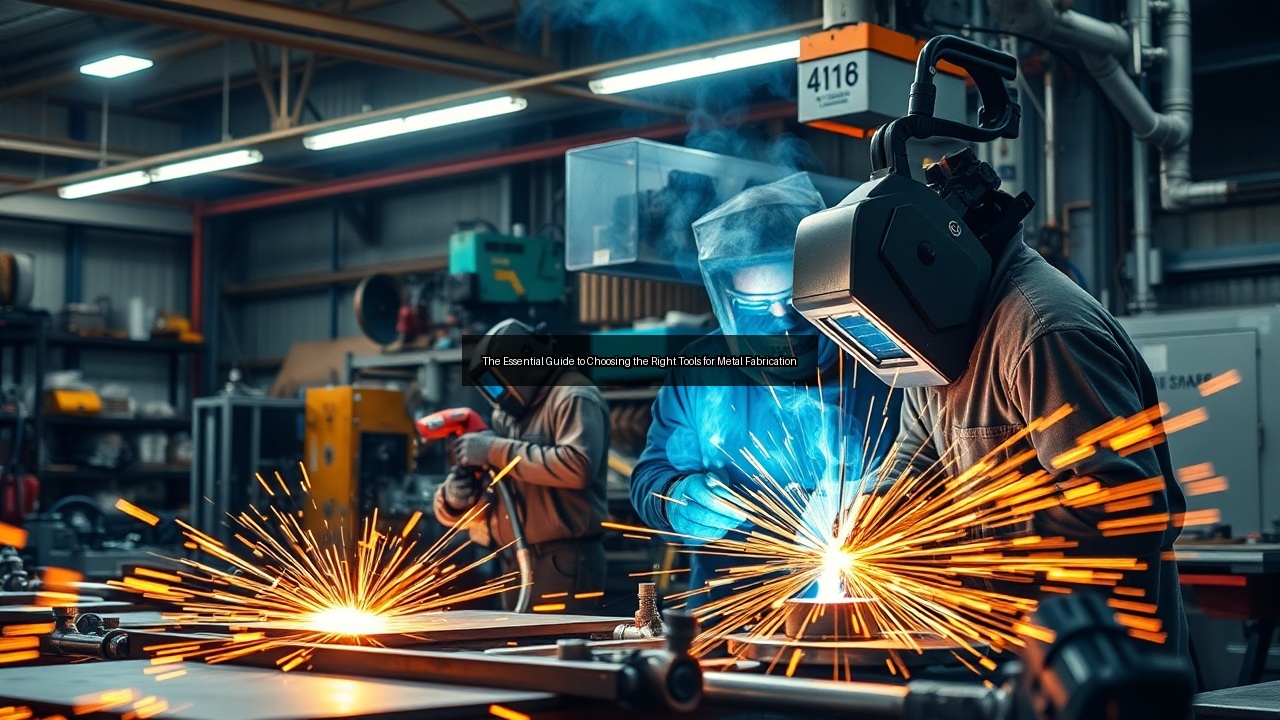
Metal fabrication encompasses a variety of processes that transform raw metals into functional products. This multifaceted discipline includes cutting, bending, and assembling various metal parts. Each stage of the metal fabrication process contributes to the overall design and functionality of the final product. Techniques like machining, welding, and forming allow fabricators to create components for numerous industries, including aerospace, automotive, and construction. Understanding these processes is vital for selecting the right tools and techniques to ensure quality output. The fabrication process begins with precise design specifications, guiding the selection of appropriate metals and tools for the job.
The Role of Welding in Fabrication
Welding serves as a cornerstone of the metal fabrication process, providing the means to join metal parts securely. This technique involves melting the base metals and, often, adding a filler material to create a strong bond. Different welding methods, such as MIG (Metal Inert Gas), TIG (Tungsten Inert Gas), and SMAW (Shielded Metal Arc Welding), each have unique advantages and applications. The choice of welding method can significantly affect the quality, strength, and appearance of the weld. Mastery of welding techniques requires expertise and experience, as improper welding can lead to weak joints and compromised structural integrity.
Different Types of Metals Used in Fabrication
Metal fabrication relies on a diverse range of metals, each possessing unique properties suited for specific applications. Common materials include aluminum, steel, and various alloys that offer strengths and weaknesses based on their composition and intended use. Aluminum, for instance, provides a lightweight option ideal for applications requiring reduced weight, such as in aerospace manufacturing. Steel, on the other hand, is preferred for its durability and strength, making it suitable for infrastructure projects. Understanding the characteristics of these metals helps professionals choose the right material to meet technical and budgetary requirements during the fabrication process.
Choosing the Right Tools for Effective Fabrication
Essential Welding Tools and Machines
Selecting the right tools is crucial for successful metal fabrication. Essential welding tools include welding machines, electrodes, and protective gear. The choice of welding machine, whether MIG, TIG, or SMAW, directly impacts the quality of the weld and the efficiency of the fabrication process. Each machine type requires specific electrodes and consumables, further emphasizing the importance of proper selection. In addition to these tools, fabricators also need to invest in various cutting machines, such as plasma cutters and band saws, to prepare metal parts before welding. Protective gear, including helmets and gloves, ensures safety and compliance with industry standards.
Comparing MIG, TIG, and SMAW Technologies
MIG, TIG, and SMAW represent three main welding technologies, each suited to different applications and skill levels. MIG welding, known for its speed and ease of use, is ideal for thicker materials and high-production environments. Manufacturers often favor this method for its efficiency and ability to work with various metals. TIG welding, while more complex, delivers precise, high-quality welds, making it suitable for thin materials and applications requiring aesthetic considerations. SMAW, or stick welding, remains popular for its versatility and ability to work in various positions, though it demands more skill from the welder. Understanding the nuances of these technologies helps fabricators select the most appropriate method for their specific projects.
The Impact of Automation on Fabrication Tools
Automation has revolutionized metal fabrication, introducing advanced technologies that enhance efficiency and precision. Automated welding systems, such as robotic welders, streamline the fabrication process by reducing human error and increasing repeatability. These advanced machines can handle complex welding tasks with consistent results, significantly improving production rates. Moreover, automation tools facilitate better workflow management, allowing fabricators to optimize their operations and reduce costs. As automation technology continues to evolve, staying updated on the latest advancements becomes essential for companies aiming to maintain a competitive edge in the fabrication industry.
Quality Control and Inspection in Metal Fabrication
Importance of ISO 9001 Standards
Implementing ISO 9001 standards in metal fabrication ensures a commitment to quality management and continuous improvement. This internationally recognized standard outlines the necessary framework for organizations to establish and maintain effective quality control systems. Adhering to ISO 9001 promotes consistency in manufacturing processes, enhances customer satisfaction, and reduces waste. Companies that implement these standards can streamline their operations, resulting in improved efficiency and reduced costs. Furthermore, certification provides a competitive advantage, as clients often prefer working with manufacturers that demonstrate a commitment to quality and excellence.
Techniques for Effective Quality Control
Effective quality control techniques are essential in the metal fabrication process to ensure that products meet design specifications and industry standards. Techniques such as inspections, testing, and documentation play a crucial role in maintaining high-quality outputs. Visual inspections, dimensional checks, and non-destructive testing methods help identify defects early custom welding and fabrication in the fabrication process. Implementing a robust quality assurance program that incorporates these techniques can significantly reduce the risk of costly rework and enhance overall productivity. Regular training for staff on quality control procedures also fosters a culture of excellence within the organization.
Workflow Optimization in Fabrication
Optimizing workflow in metal fabrication significantly impacts productivity and cost-efficiency. Streamlining processes involves analyzing each stage of the fabrication process, from design to final inspection, in order to identify bottlenecks and redundancies. Techniques such as Lean Manufacturing and Six Sigma can help improve workflow by eliminating waste and enhancing process efficiency. Implementing automated solutions also contributes to faster turnaround times and increased production rates. Ultimately, a well-optimized workflow leads to higher quality outputs, reduced lead times, and greater customer satisfaction in the competitive landscape of metal fabrication.
Sustainable Practices in Metal Fabrication and Manufacturing
Energy Efficiency in Welding Processes
Enhancing energy efficiency in welding processes is a vital aspect of sustainable metal fabrication. Traditional welding techniques can consume significant amounts of energy, contributing to higher operational costs and environmental impact. Implementing energy-efficient machines and practices, such as optimizing travel speed and minimizing idle time, can lead to substantial fabrication and welding energy savings. Manufacturers can also explore alternative energy sources, such as solar or wind power, to further reduce their carbon footprint. Investing in advanced technologies, such as inverter-based welders, offers higher efficiency and lower energy consumption, aligning with sustainability goals.
Using Recycled Materials in Fabrication
Utilizing recycled materials in metal fabrication promotes sustainability and reduces waste. Many metals, including aluminum and steel, can be recycled without losing their inherent properties, making them ideal candidates for sustainable manufacturing. By incorporating recycled metals into their production processes, fabrication companies can lower material costs and minimize their environmental impact. Moreover, using recycled materials aligns with the growing demand for eco-friendly practices among consumers and industries alike. Establishing partnerships with recycling facilities can also ensure a steady supply of quality recycled metals for ongoing projects.
Future Trends in Sustainable Fabrication Technologies
The future of metal fabrication lies in the development of sustainable technologies that prioritize environmental responsibility. Innovations such as additive manufacturing, also known as 3D printing, allow for precise material usage, reducing waste and energy consumption. Additionally, advancements in welding technologies, including hybrid welding methods that combine various techniques, promise to enhance efficiency and sustainability. As industries increasingly focus on reducing their carbon footprints, staying ahead of these trends will be crucial for fabrication companies looking to thrive in a rapidly changing market. Embracing sustainability not only benefits the environment but also serves as a strategic advantage in attracting eco-conscious clients.