Navigating the Landscape of Contract Manufacturers for Lean Manufacturing Solutions
Understanding Contract Manufacturers in Lean Manufacturing
Defining Contract Manufacturing
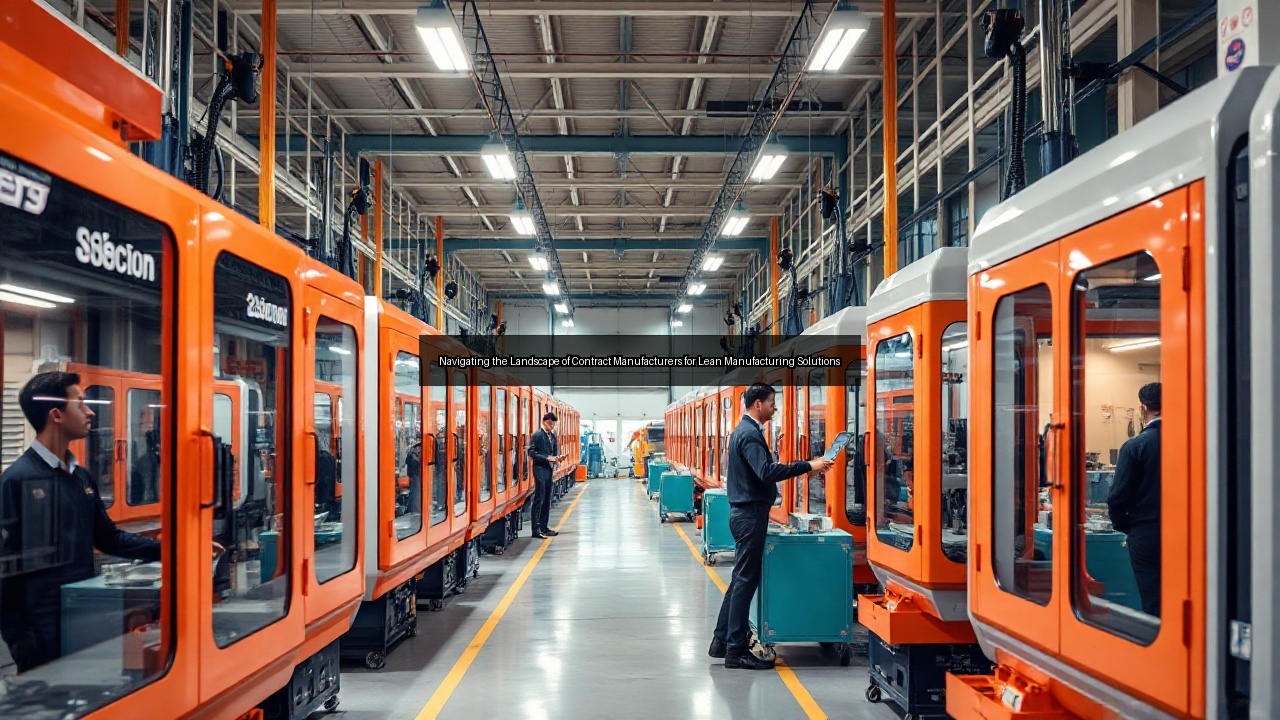
Contract manufacturing involves a company partnering with an external provider to produce components or complete products according to specific designs. This approach allows businesses to focus internal resources on core competencies while relying on specialized contract manufacturers for production tasks. A contract assembly company handles everything from sourcing materials to final assembly, delivering finished goods that meet exact specifications. Companies turn to these partners to avoid heavy investments in equipment and facilities. The model supports lean manufacturing by minimizing waste and streamlining operations. When selecting a contract manufacturer, evaluate their track record in delivering consistent results across various projects. Many firms now integrate advanced technologies to enhance precision and reduce lead times. This setup proves especially useful for industries requiring rapid iteration without expanding in-house capabilities. Overall, contract manufacturing creates a flexible production network that adapts to changing market demands efficiently.
The Role of Contract Assembly Services in Lean Manufacturing
Contract assembly services play a direct part in lean manufacturing by eliminating non-value-added steps and reducing excess inventory. A dedicated contract assembly provider manages assembly lines with optimized workflows that cut down on defects and overproduction. This outsourcing strategy frees up capital that would otherwise tie up in machinery and labor. Teams can redirect efforts toward product development and market expansion instead of managing day-to-day fabrication. Lean principles emphasize continuous improvement, and contract assembly services deliver measurable gains through standardized processes. Providers often apply just-in-time delivery methods that align with lean goals. Businesses gain access to expert knowledge in assembly techniques without maintaining full-time staff for those functions. The result appears in lower operational costs and higher throughput. Companies that integrate these services report smoother production cycles and fewer bottlenecks across their supply chains.
Key Considerations for Choosing a Contract Manufacturing Partner
Evaluating Manufacturer Expertise
Expertise stands as the foundation when choosing a contract manufacturer. Review their experience with similar products and materials to confirm they can handle your requirements. An expert team understands material properties, tolerance levels, and assembly techniques that prevent costly errors. Look for providers who maintain updated training programs and invest in modern equipment. Case studies and client references reveal how well they apply that expertise in real scenarios. Strong engineering support within the contract assembly company ensures designs translate smoothly into production. Verify capabilities in specialized areas such as custom fabrication or multi-component integration. Manufacturers with broad expertise adapt quickly to design changes and maintain consistent output. This evaluation step reduces risk and builds confidence in the partnership from the start. Thorough assessment of past performance helps identify the right fit for long-term collaboration.
Assessing Costs and Budget Constraints
Costs require careful analysis beyond initial quotes. Break down expenses into materials, labor, tooling, and logistics to understand the full picture. A transparent contract assembly provider shares detailed pricing structures that avoid hidden fees. Compare these figures against in-house production costs, including overhead and maintenance. Budget constraints often dictate whether outsourcing delivers savings or creates new financial pressures. Factor in volume discounts and long-term agreements that lower per-unit costs over time. Request detailed cost models that project expenses at different production scales. Reliable manufacturers help identify areas where design adjustments reduce overall spend without sacrificing quality. This assessment ensures the partnership aligns with financial goals while supporting lean manufacturing targets. Clear cost visibility prevents surprises and supports accurate forecasting.
Quality Standards: ISO 9001 and Beyond
Quality standards define the reliability of any contract manufacturer. ISO 9001 certification signals a structured quality management system that emphasizes consistent processes and continuous improvement. Beyond this baseline, examine additional certifications relevant to your industry. Effective quality control involves in-process inspections, final testing, and documented corrective actions. A strong provider maintains traceability for every component and assembly step. Request audit reports and performance metrics to verify ongoing compliance. Contract assembly services that exceed basic standards reduce defect rates and protect brand reputation. Integrate quality checkpoints into the agreement to maintain accountability. This focus on standards supports lean manufacturing by minimizing rework and waste. Companies that prioritize rigorous quality measures achieve higher customer satisfaction and fewer returns.
The Advantages of Outsourcing Contract Assembly Services
Enhancing Efficiency through Outsourcing
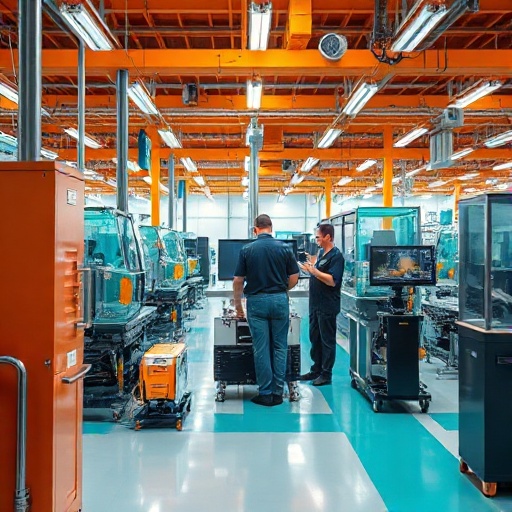
Outsourcing contract assembly services boosts efficiency by shifting routine tasks to specialists equipped with optimized systems. Internal teams avoid the distraction of managing assembly operations and instead concentrate on innovation. A contract assembly provider applies lean techniques that streamline workflows and reduce cycle times. This arrangement cuts idle time and improves resource utilization across the entire operation. Efficiency gains appear quickly when experts handle production scheduling and process refinement. Companies report faster turnaround and better allocation of engineering talent. The model eliminates the need to maintain underutilized equipment and facilities. Outsourcing also introduces fresh perspectives on assembly methods that internal staff might overlook. These improvements compound over time, creating sustained competitive advantages in speed and responsiveness.
Scalability and Flexibility in Production
Scalability allows businesses to adjust output without major capital commitments. Contract manufacturers provide flexible capacity that expands or contracts with demand. This adaptability proves essential during seasonal peaks or new product launches. A contract assembly company maintains equipment and workforce levels that match client needs precisely. Flexibility extends to design modifications and material substitutions that keep production running smoothly. Scalability supports lean manufacturing by preventing overcommitment of resources during slow periods. Providers often offer multiple facility options that reduce geographic risk. Companies gain the ability to test market responses at different volumes before full commitment. This dynamic approach minimizes inventory buildup and aligns production closely with actual sales data. Effective partners deliver both growth support and rapid response to changing requirements.
Critical Services Offered by Contract Assembly Manufacturers
Prototyping and Design Services
Prototyping accelerates product development by turning concepts into testable models quickly. Contract assembly manufacturers supply rapid prototyping that validates designs before full production. Their engineering teams refine details for manufacturability and cost efficiency. Design services include material selection, tolerance analysis, and assembly optimization. These capabilities shorten development cycles and reduce expensive revisions later. A skilled provider offers multiple prototype iterations within tight timelines. Integration of prototyping with contract assembly services ensures a seamless transition to volume manufacturing. Clients benefit from early feedback on potential production challenges. This service layer supports lean manufacturing by eliminating waste from untested designs. Strong prototyping partnerships drive faster time-to-market and higher first-pass yield rates.
Logistics and Packaging Solutions
Logistics and packaging form the final link in the supply chain. Contract assembly providers coordinate shipping schedules and inventory management to meet delivery windows. Custom packaging protects products during transit and enhances presentation for end users. Integrated logistics reduce handling steps and lower damage rates. Providers optimize routes and consolidate shipments to control costs. Effective packaging solutions also support sustainability goals through recyclable materials. Companies that outsource these functions gain reliable delivery performance without managing carriers directly. Coordination between manufacturing and logistics teams prevents delays and stockouts. This comprehensive service improves overall supply chain efficiency and customer satisfaction. Partners with strong logistics networks deliver consistent results across regions.
Powder Coating and Fabrication Capabilities
Powder coating delivers durable finishes that resist corrosion and wear. Contract manufacturers with in-house powder coating lines complete parts in a single facility, reducing handling and lead times. Fabrication capabilities include cutting, forming, and welding that prepare components for final assembly. These integrated services ensure consistent quality from raw material to finished product. Experts adjust coating thickness and color options to meet exact specifications. Fabrication teams work closely with engineering to maintain tight tolerances throughout the process. Combined powder coating and fabrication reduce the need for multiple vendors. This consolidation supports lean manufacturing by simplifying the supply chain. Companies achieve better cost control and faster turnaround when these capabilities reside under one roof.
Onboarding and Collaboration with Contract Manufacturers
Streamlining the Onboarding Process
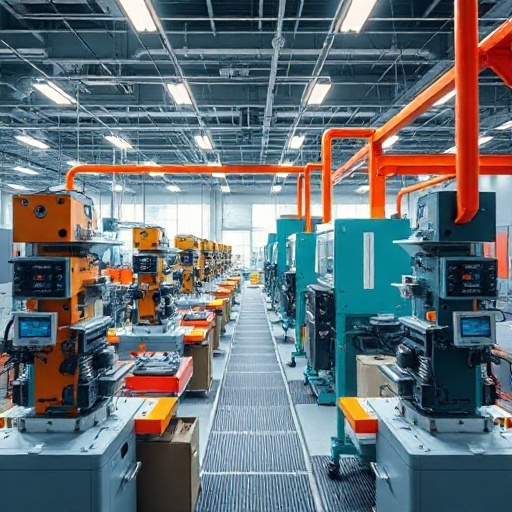
Onboarding sets the foundation for successful long-term partnerships. A structured process includes clear documentation of requirements, quality expectations, and communication protocols. Contract manufacturers guide new clients through capability assessments and initial production trials. Streamlined onboarding reduces setup time and accelerates first shipments. Detailed project plans outline milestones and responsibilities for both parties. Effective providers supply templates for drawings, specifications, and approval workflows. This preparation minimizes misunderstandings and rework during early production runs. Companies that invest time in thorough onboarding experience smoother transitions and faster ramp-up. The process also establishes performance metrics that guide ongoing improvements. Well-executed onboarding builds trust and operational alignment from day one.
Building Effective Communication with Engineering Teams
Strong communication between engineering teams drives successful outcomes. Regular meetings and shared digital platforms keep all stakeholders informed on design changes and production status. Contract manufacturers assign dedicated contacts who understand both technical details and business objectives. This direct link resolves issues quickly and prevents small problems from escalating. Engineering collaboration extends to design-for-manufacturability reviews that improve efficiency. Clear documentation standards ensure everyone works from the latest revisions. Effective communication supports lean manufacturing by reducing errors and cycle time. Teams that maintain open dialogue adapt faster to market shifts and customer feedback. Providers who prioritize responsive engineering support deliver superior results over the life of the partnership.
See Also
- From Prototyping to Packaging Discover the Full Spectrum of Contract Assembly Services
- The Role of Engineering Expertise in High-Quality Contract Assembly Services
- ISO 9001 Certification and Its Impact on Contract Assembly Quality Assurance
- Maximizing Scalability and Quality Control with Professional Contract Assembly
- Cost-Effective Solutions for Quality Contract Assembly Services in Today's Market